

BMW Cars Guide: Models, Features & Buying Tips
Introduction to BMW Cars
BMW cars are widely recognized for their distinctive styling, premium interiors, advanced automotive technology, and driver-focused engineering. The brand offers a diverse range of vehicles, including compact cars, executive sedans, luxury SUVs, high-performance of BMW cars models, and fully electric vehicles. This variety allows drivers to explore different options based on their lifestyle, driving preferences, and budget.
Whether you are researching your first BMW, comparing luxury vehicles, or considering a used model, understanding the available models, performance characteristics, ownership costs, and maintenance requirements can help you make an informed decision. This guide explains the main features of BMW cars and the factors worth considering before buying one.
What Is BMW?
BMW stands for Bayerische Motoren Werke, commonly translated as Bavarian Motor Works. It is a German premium automotive manufacturer known for combining engineering, design, technology, and driving dynamics. BMW cars is special car.
BMW produces vehicles for different customer needs, from practical everyday transportation to executive luxury and motorsport-inspired performance. Its model range includes conventional petrol and diesel vehicles in markets where they are offered, plug-in hybrids, and fully electric cars.
The BMW cars company’s identity is closely associated with responsive handling, carefully designed interiors, and technology intended to improve the driving experience. However, the equipment, performance, and available powertrains vary by model, model year, and country.
Popular BMW Car Models
BMW organizes its vehicles into several model families. Each family serves a different purpose, so understanding the main categories is a useful first step when choosing a vehicle.
BMW 3 Series
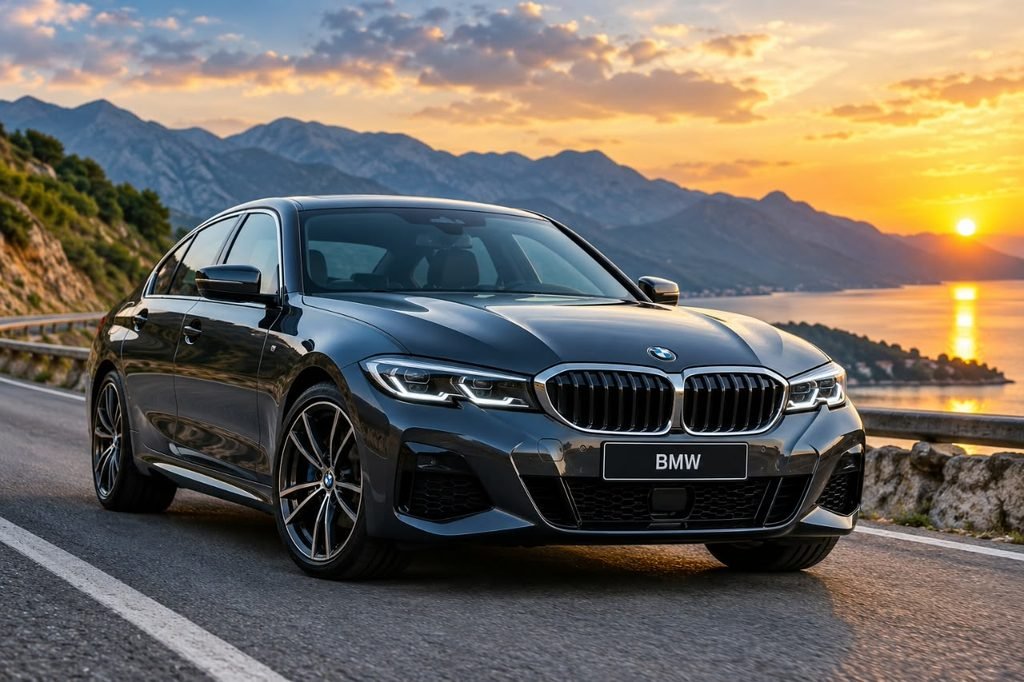
The BMW 3 Series is a compact executive sedan known for balancing everyday practicality with engaging driving dynamics. Depending on the version, it can offer responsive acceleration, comfortable seating, modern infotainment, and a well-balanced chassis.
It may suit professionals, small families, and drivers who want a premium sedan for commuting and longer journeys. Buyers should compare engine options, equipment packages, rear-seat space, and running costs before choosing a particular version.
BMW 5 Series
The BMW 5 Series occupies a larger executive-sedan category. It generally emphasizes cabin comfort, refined road manners, technology, and performance suitable for both business travel and everyday driving.
Depending on the market and model year, the lineup can include different combustion-engine and electrified options. It is worth comparing the vehicle’s dimensions, equipment, and total ownership costs with those of other executive cars before purchasing.
BMW 7 Series
The BMW 7 Series represents the brand’s flagship luxury-sedan offering. It focuses on passenger comfort, sophisticated interior materials, premium technology, and a more spacious cabin experience.
Certain versions of BMW cars offer advanced infotainment, rear-passenger amenities, and high-end comfort features. The 7 Series is particularly relevant to buyers who prioritize luxury and refinement, although its purchase price and maintenance expenses can be considerably higher than those of smaller models.read more article.
BMW X Series SUVs
BMW’s X Series includes sport utility vehicles designed for a range of passenger, cargo, and driving requirements.
- BMW X1: A compact SUV that can suit urban driving and smaller households.
- BMW X3: A versatile SUV offering a balance of passenger space, comfort, and everyday usability.
- BMW X5: A larger SUV aimed at buyers seeking additional space, premium equipment, and strong performance.
- BMW X7: A full-size luxury SUV designed for buyers who need a spacious cabin and, depending on configuration, three-row seating.
Equipment, seating capacity, drivetrain, and engine availability differ by model and market. Buyers should verify the specifications of the exact vehicle they intend to purchase.
BMW M Performance and M Models
BMW M vehicles are developed with a stronger emphasis on performance. Depending on the model, they may feature more powerful engines, performance-oriented suspension tuning, enhanced braking systems, specialized styling, and sport-focused interiors.
It is important to distinguish full BMW M models from M Sport equipment packages. An M Sport package generally adds selected styling and chassis features to a standard model, whereas a full M vehicle is engineered as a more performance-focused product.
Drivers considering these vehicles should account for tire costs, fuel consumption, insurance, brake maintenance, and the possibility of higher repair expenses.
BMW i Electric Vehicles
BMW’s i-branded range includes fully electric vehicles designed to deliver premium mobility without a conventional petrol or diesel engine. Examples include electric models in the i4, i5, i7, and iX families, depending on market and model year.
Electric BMWs can provide immediate motor response, quiet operation, and reduced routine powertrain servicing compared with some combustion-engine vehicles. However, real-world range depends on battery capacity, temperature, driving speed, terrain, climate-control use, and charging conditions.
Before buying an electric BMW, evaluate home-charging access, public charging availability, battery warranty terms, and the distance you typically travel.
Key Features of BMW Cars
Exterior Design
BMW vehicles commonly feature recognizable front-end styling, sculpted bodywork, distinctive lighting, and model-specific proportions. The design varies across sedans, SUVs, coupes, convertibles, and electric vehicles.
Exterior appearance can influence a buyer’s choice, but practical factors such as visibility, ground clearance, parking dimensions, and wheel size should also be considered.
Interior Comfort and Quality
BMW interiors typically emphasize driver ergonomics, supportive seating, carefully arranged controls, and premium materials. Higher trims may offer upgraded upholstery, additional seat adjustments, ambient lighting, enhanced sound systems, and other comfort features.
Not every feature is standard on every vehicle. Reviewing the actual equipment list is especially important when comparing different trim levels or used cars.
Infotainment and Connectivity
Depending on the model and year, BMW vehicles can offer digital instrument displays, touchscreen infotainment, navigation, smartphone integration, voice controls, and connected services.
Software functionality and subscription requirements may vary by region. Buyers should check smartphone compatibility, navigation coverage, update policies, and which connected features remain available after purchase.
Safety and Driver Assistance
BMW vehicles may include safety equipment such as airbags, stability control, collision warnings, parking assistance, and driver-assistance systems. Availability depends on the model, specification, and market.
These technologies can support safer driving, but they do not eliminate the need for attention or responsible vehicle control. Buyers should review the relevant safety ratings and standard equipment for the specific model year rather than assuming that every BMW has identical features.
BMW Performance and Driving Experience
Driving characteristics are an important part of the BMW brand’s appeal. Many models are engineered to balance steering response, acceleration, stability, and comfort.
The overall experience depends on the vehicle’s engine or electric motor, transmission, suspension setup, tires, weight, and drivetrain. Rear-wheel-drive and all-wheel-drive configurations can also produce different driving characteristics.
Performance figures should always be checked against the exact engine, trim, and model year. For everyday use, smooth acceleration, braking confidence, ride comfort, visibility, and predictable handling may matter more than maximum speed.
Drivers should also remember that real-world fuel economy and electric range can differ from official test figures.
BMW Fuel Economy and Electric Efficiency
Fuel consumption varies considerably across BMW models. Smaller engines and efficient hybrid systems may offer lower consumption than large, high-performance engines, while vehicle weight, traffic, climate, and driving style affect actual results.
When comparing petrol or diesel vehicles, review official fuel-economy figures and seek reliable real-world data for the specific version. For plug-in hybrids, consider both electric-only capability and fuel consumption after the battery’s available charge is depleted.
For fully electric BMWs, compare the official energy-consumption rating, usable battery capacity where available, estimated driving range, charging speed, and the availability of suitable charging facilities.
Choosing a vehicle with appropriate efficiency can help reduce long-term operating costs without sacrificing the features that matter most to you.
BMW Car Prices and Ownership Costs
The cost of owning a BMW extends beyond the advertised purchase price. The total expense may include registration, taxes, insurance, fuel or electricity, routine servicing, tires, repairs, and depreciation.
New BMW prices depend on the model, trim, optional equipment, local taxes, and market conditions. Used BMW prices also depend on mileage, service history, accident records, vehicle condition, ownership history, and parts availability.
For an accurate comparison, buyers should:
- Compare prices for the same model year and specification.
- Request a complete maintenance and service history.
- Check for accident damage and outstanding recalls.
- Obtain an independent pre-purchase inspection for a used vehicle.
- Estimate routine servicing, tires, insurance, and likely repairs.
- Confirm warranty coverage and the availability of qualified technicians.
In markets where BMW vehicles are imported, currency fluctuations, customs duties, taxes, and parts availability can have a substantial effect on the final cost.
BMW Maintenance and Reliability
Regular maintenance is essential to preserving a vehicle’s performance, safety, and long-term value. BMW servicing requirements differ by model, engine, age, mileage, and operating conditions.
Routine checks may include engine oil, filters, brake components, tires, coolant, battery condition, and other model-specific systems. Electric vehicles have different maintenance needs from combustion-engine cars, although they still require tire, brake, suspension, cabin-filter, and general safety inspections.
Reliability should be assessed at the model-year and powertrain level rather than treating every BMW as identical. Service records, known technical issues, previous repairs, and the availability of replacement parts are particularly important when buying a used car.
Follow the manufacturer’s maintenance schedule and use a qualified service provider familiar with the specific vehicle.
New BMW vs. Used BMW: Which Should You Choose?
A new BMW may appeal to buyers who want the latest available equipment, a manufacturer-backed warranty, and a vehicle with no previous ownership history. The main considerations are the higher purchase price and potential depreciation.
A used BMW may offer access to a higher model category or more equipment at a lower initial cost. However, the vehicle’s condition and maintenance history become much more important, and older premium vehicles can require expensive repairs.
The right choice depends on your budget, expected annual mileage, preferred features, risk tolerance, and access to servicing. Compare the complete cost of ownership rather than relying solely on the purchase price.
How to Choose the Right BMW Car
Choosing the right BMW starts with identifying how you will use the vehicle.
1. Define Your Budget
Set a realistic purchase budget and include insurance, taxes, fuel or charging, maintenance, and emergency repairs. If financing is involved, compare the total repayment amount rather than only the monthly installment.
2. Select the Appropriate Body Style
Choose a sedan for a traditional executive-car experience, an SUV if you need additional space or a higher seating position, or an electric model if its range and charging requirements suit your routine.
3. Compare Engine and Drivetrain Options
Consider acceleration, efficiency, road conditions, annual mileage, and the availability of servicing. Do not assume that the most powerful version is necessarily the best choice for daily driving.
4. Review Technology and Safety Equipment
Check the actual specification sheet for infotainment, parking aids, driver assistance, airbags, and other features that matter to you.
5. Inspect and Test-Drive the Vehicle
A test drive can help you evaluate ride comfort, visibility, steering, braking, cabin noise, and ease of use. For used vehicles, arrange an independent inspection and review the service history before committing to a purchase.
Frequently Asked Questions About BMW Cars
Are BMW cars good for everyday driving?
Many BMW models can be suitable for everyday driving because they combine comfort, performance, and modern features. The best choice depends on the model, road conditions, running costs, and personal preferences.
Which BMW is suitable for a small family?
A BMW X1 or X3 may suit families who prefer an SUV, while a 3 Series or 5 Series may work for households that prefer a sedan. Compare child-seat access, rear-seat space, luggage capacity, and safety equipment before deciding.
Are BMW cars expensive to maintain?
Maintenance costs can be higher than those of some mainstream vehicles, particularly for complex, older, or high-performance models. Actual expenses depend on the model, condition, labor rates, parts availability, and service history.
Is a used BMW worth buying?
A used BMW can be worth considering if it has a documented service history, passes an independent inspection, and fits your budget for maintenance and repairs. A low purchase price alone is not enough to establish good value.
Does BMW make electric cars?
Yes. BMW offers fully electric models, with availability varying by market and model year. Buyers should check official specifications for range, charging performance, battery warranty, and available equipment.
What should I check before buying a used BMW?
Review maintenance records, accident history, diagnostic results, tire and brake condition, fluid leaks, electronics, warranty coverage, and any outstanding recalls. An independent inspection by a BMW-experienced technician is strongly recommended.
Conclusion
For official BMW models, features, and vehicle specifications, visit the BMW official website.
BMW cars cover a broad range of needs, from compact premium vehicles and executive sedans to spacious SUVs, performance-focused models, and electric cars. The best option depends on your priorities, driving conditions, budget, and expectations for comfort, efficiency, and performance.
Before purchasing, compare the exact model year and specification, evaluate total ownership costs, and inspect the vehicle’s service history. With careful research, you can identify a BMW that fits your needs and offers a satisfying ownership experience.
For the most accurate specifications, equipment details, and model availability, consult BMW’s official website for your country and compare those details with independent inspections, safety information, and reputable automotive reviews.

One Comment